Timing and light
Wake up at the same time every day
The single change your body clock responds to more than any other — and the one most people break every weekend.
Sleep, food and the daily rhythms everything else is paid for out of.
Sleep
Timing and light
The single change your body clock responds to more than any other — and the one most people break every weekend.
Timing and light
The cheapest way to make your body clock predictable, which is what most uneven sleep is actually about.
Timing and light
The most common cause isn't stress in the moment — it's a stress response left over from earlier in the evening or the day.
Timing and light
A short nap at the right time is close to free. A long one or a late one quietly borrows from the sleep you need that night.
Timing and light
Blue light blocking glasses barely move the needle in real trials. Dimming everything in the hour before bed does more.
Timing and light
Left alone, your body clock shifts about an hour a day. Timed light exposure — in the right direction — can roughly double that.
Timing and light
Full circadian adaptation to night shifts is genuinely hard and often incomplete. A handful of strategies help meaningfully, even without fully fixing the underlying problem.
Stimulants
Half of an afternoon coffee is still in you at bedtime, and it costs you sleep even on nights you fall asleep fine.
Stimulants
It can make you fall asleep faster and still leave you with a worse night — here is the mechanism and where the real trade-off sits.
Stimulants
The link between a late dinner and bad sleep mostly runs through what's on the plate, not the clock.
Winding down
A short, boring sequence that lowers arousal before sleep — for the nights when your body is tired but your head is not.
Supplements
Widely recommended, weakly evidenced. Here is what the research actually supports and what it does not.
Supplements
It is a timing signal, not a sedative — which is exactly why it works well for jet lag and poorly for most ordinary insomnia.
Environment
Your core temperature has to drop for sleep to start — a warm bedroom fights that directly, and it is one of the cheapest fixes on this site.
Environment
It works by masking disruptive noise, which means how useful it is depends entirely on how noisy your environment already is.
Exercise and sleep
Old sleep hygiene advice said never train at night. A dataset of 4 million nights says that's mostly wrong, except in one specific window.
Tracking and tools
Trackers are decent at telling you when you're asleep versus awake. They're much less reliable at telling you what kind of sleep you got — and treating the score as gospel has its own downside.
When to see a doctor
Roughly a third to half of adults snore regularly, and most of it is harmless. A specific set of signs separates ordinary snoring from something worth a doctor's attention.
Fuel
Foundations
More than the official minimum, less than what fitness culture insists on — and spread through the day matters more than most people think.
Foundations
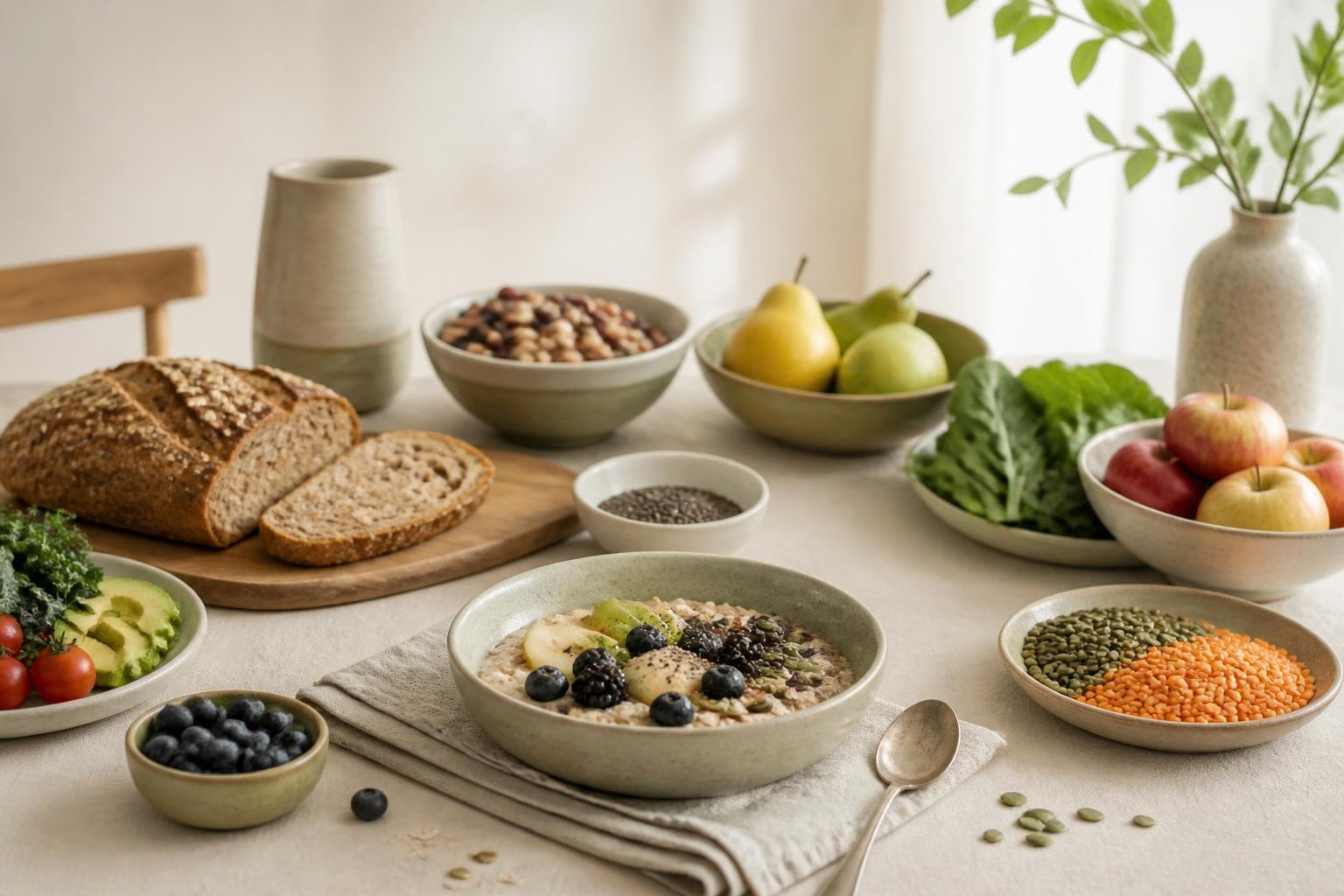
Almost nobody hits the target, the gap matters more than most people realise, and closing it is less about willpower than about a handful of swaps.
Foundations
The number comes from a 1945 recommendation that was misquoted, not a study. Thirst is a better guide than counting.
Foundations
This is one of the few nutrition claims with a real randomized trial behind it — and the mechanism turns out to be about eating speed, not a mystery chemical.
Foundations
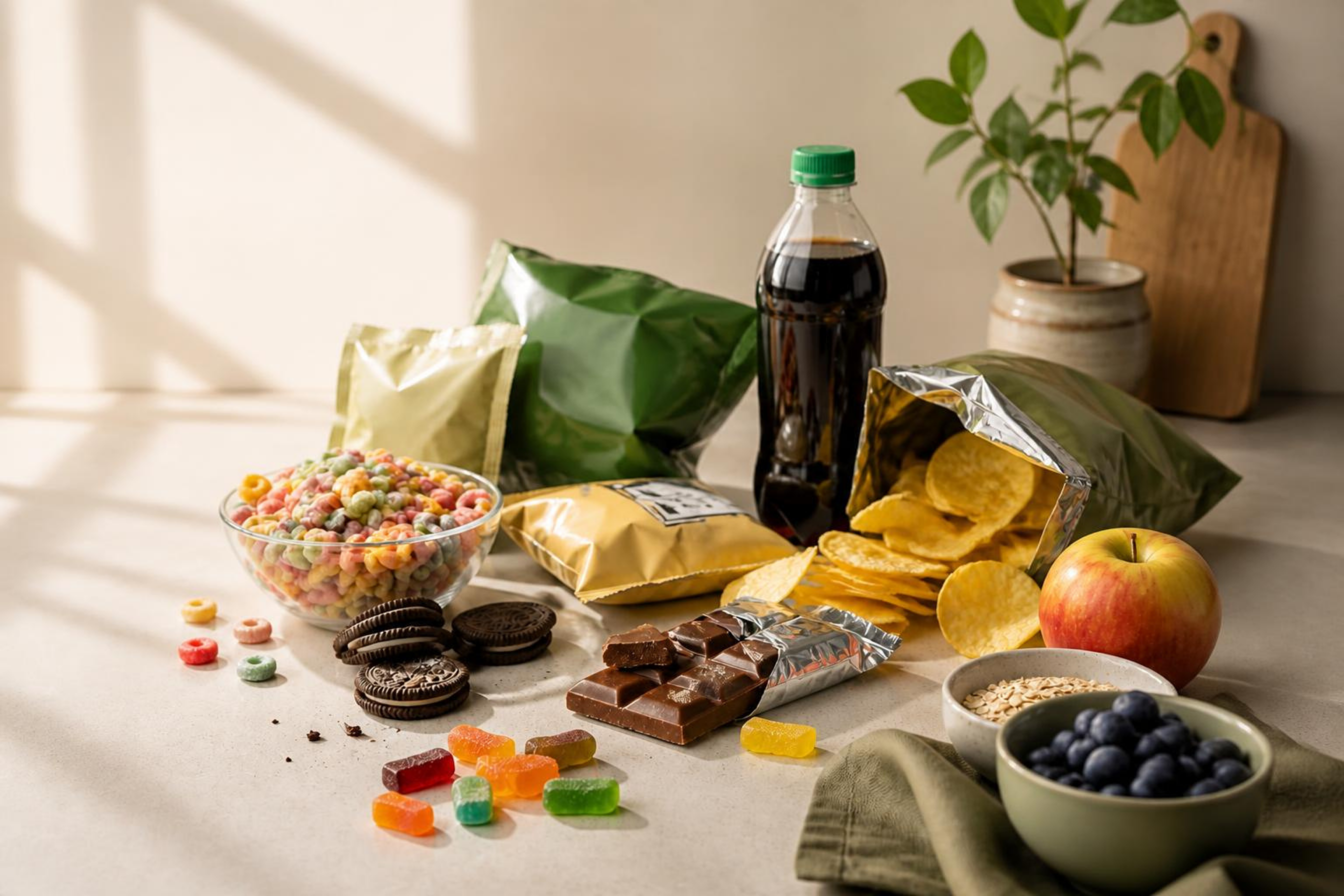
The strongest evidence against sugar is specifically about sugary drinks. The evidence against sugar in solid food is much weaker than the headlines suggest.
Foundations
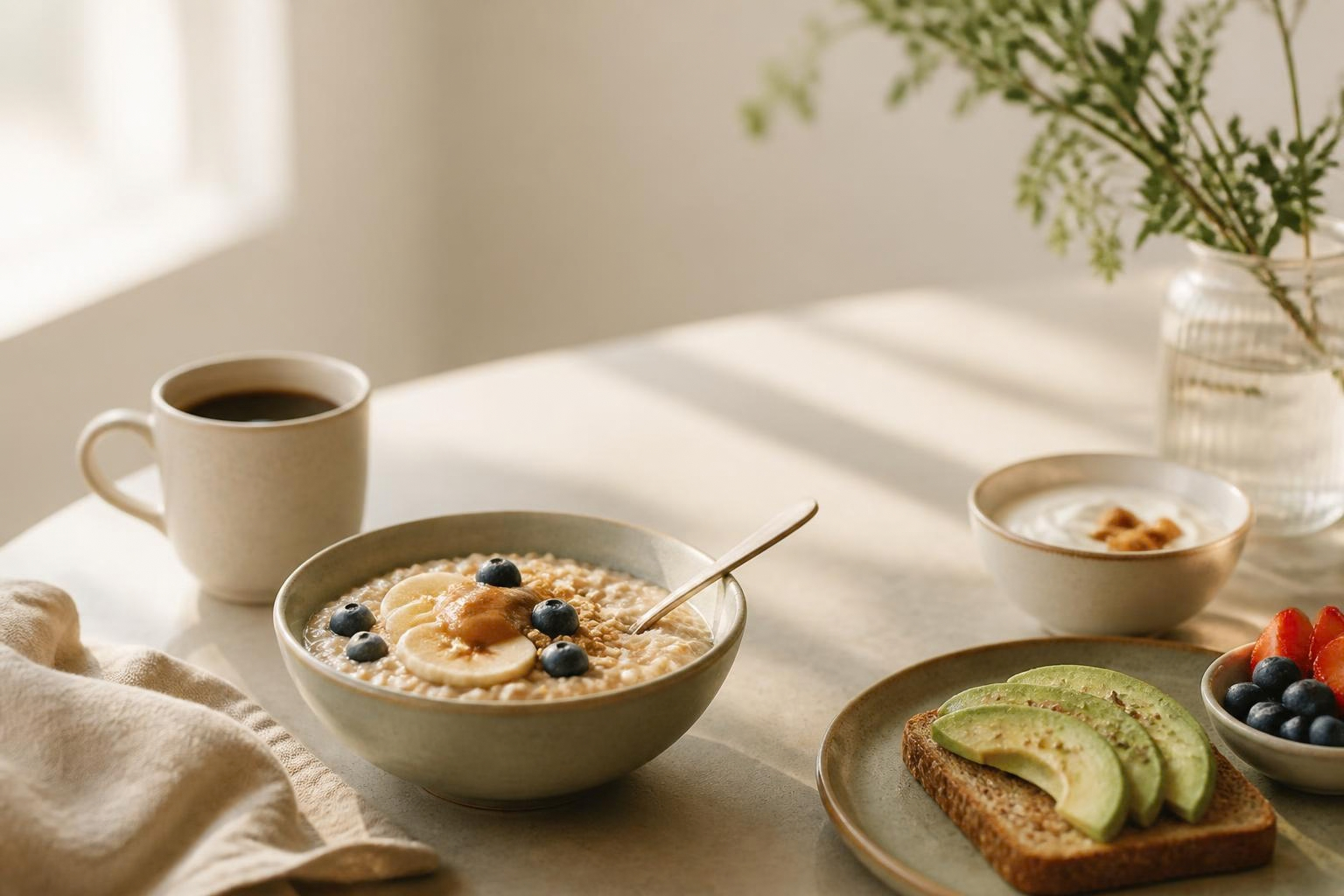
Both sides of the breakfast debate overclaim. The actual research is unusually messy — and what little signal exists points somewhere more boring than either camp wants.
Foundations
For 30 years, moderate drinking looked protective against heart disease. Better-designed genetic studies say that protection was probably never real.
Supplements
Magnesium is what your body needs to actually activate vitamin D — but the relationship is not simply "more magnesium, more vitamin D."
Supplements
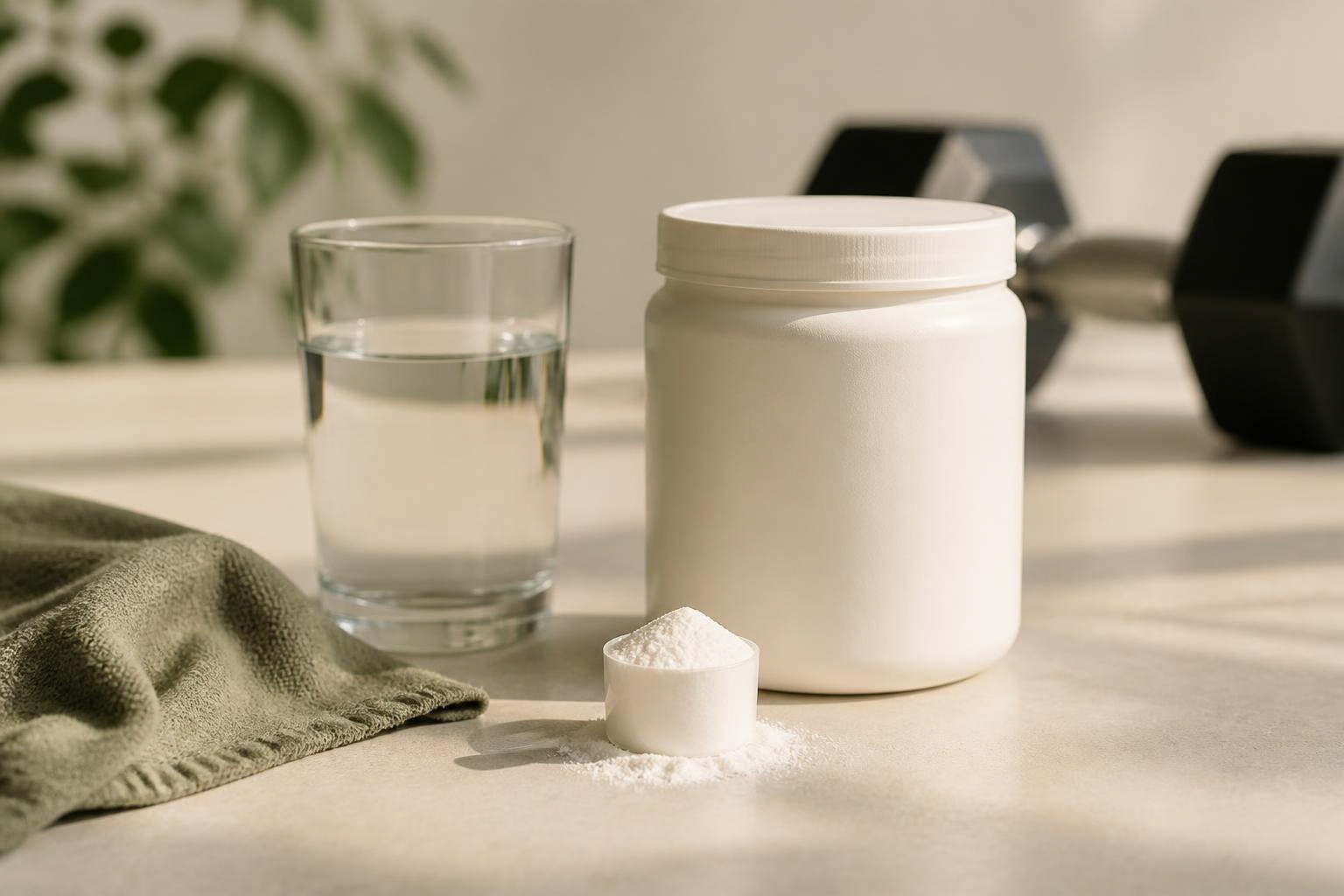
25+ years of research, a genuinely strong effect on strength, and a safety record most supplements can't match. It's also routinely made to sound more complicated than it is.
Supplements
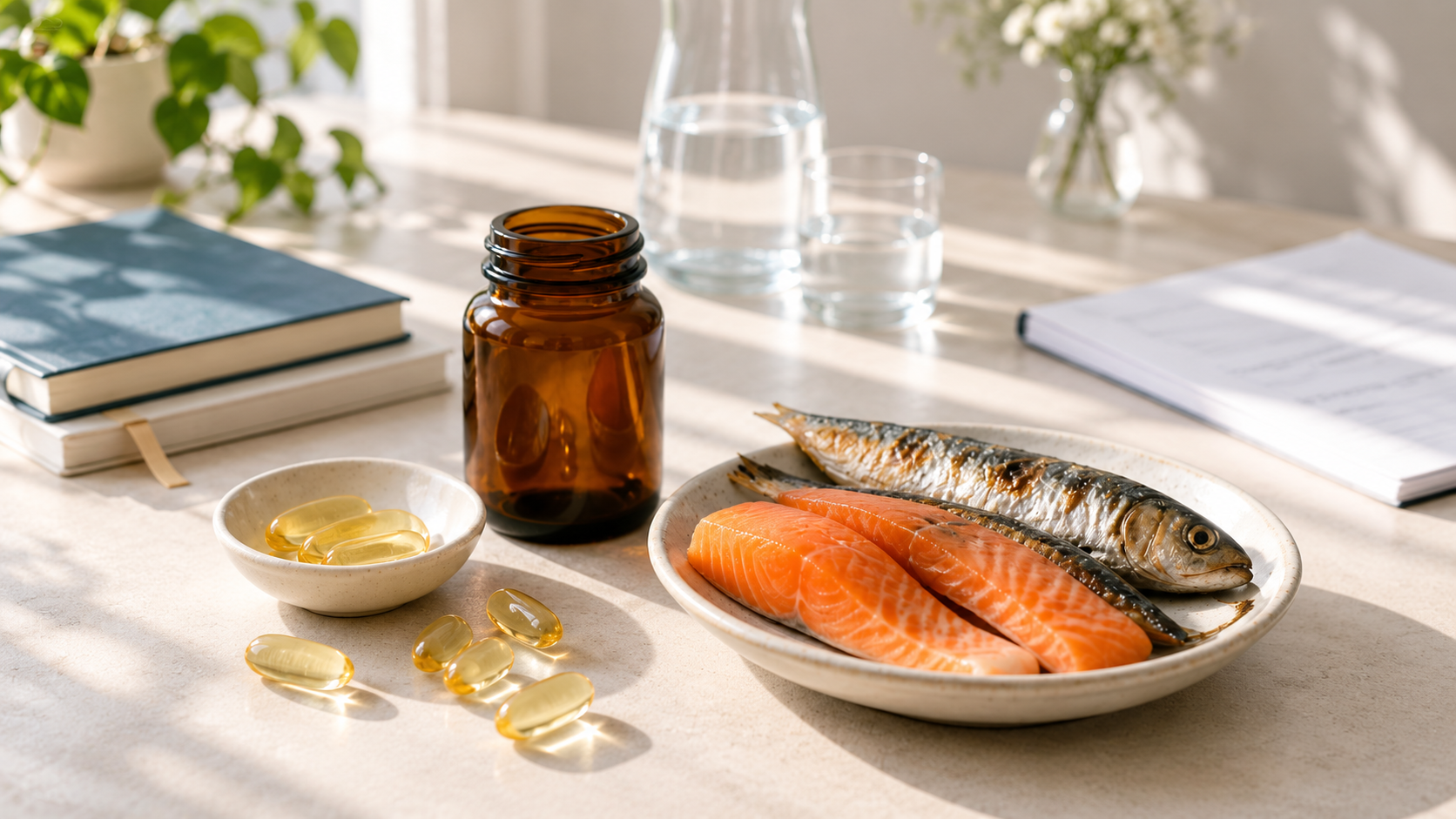
Lowering triglycerides is well established. Preventing heart attacks with a standard drugstore capsule is a much weaker claim than the landmark trials suggest.
Common deficiencies
If sleep, caffeine timing, and light are all in place and you're still exhausted, two specific, cheap blood tests are worth ruling out before anything else.