Stretching and mobility
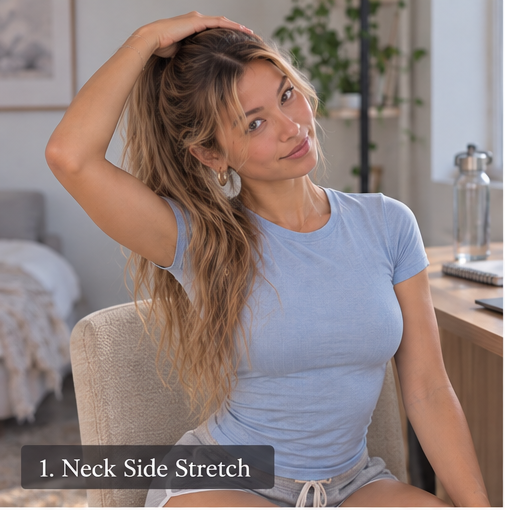
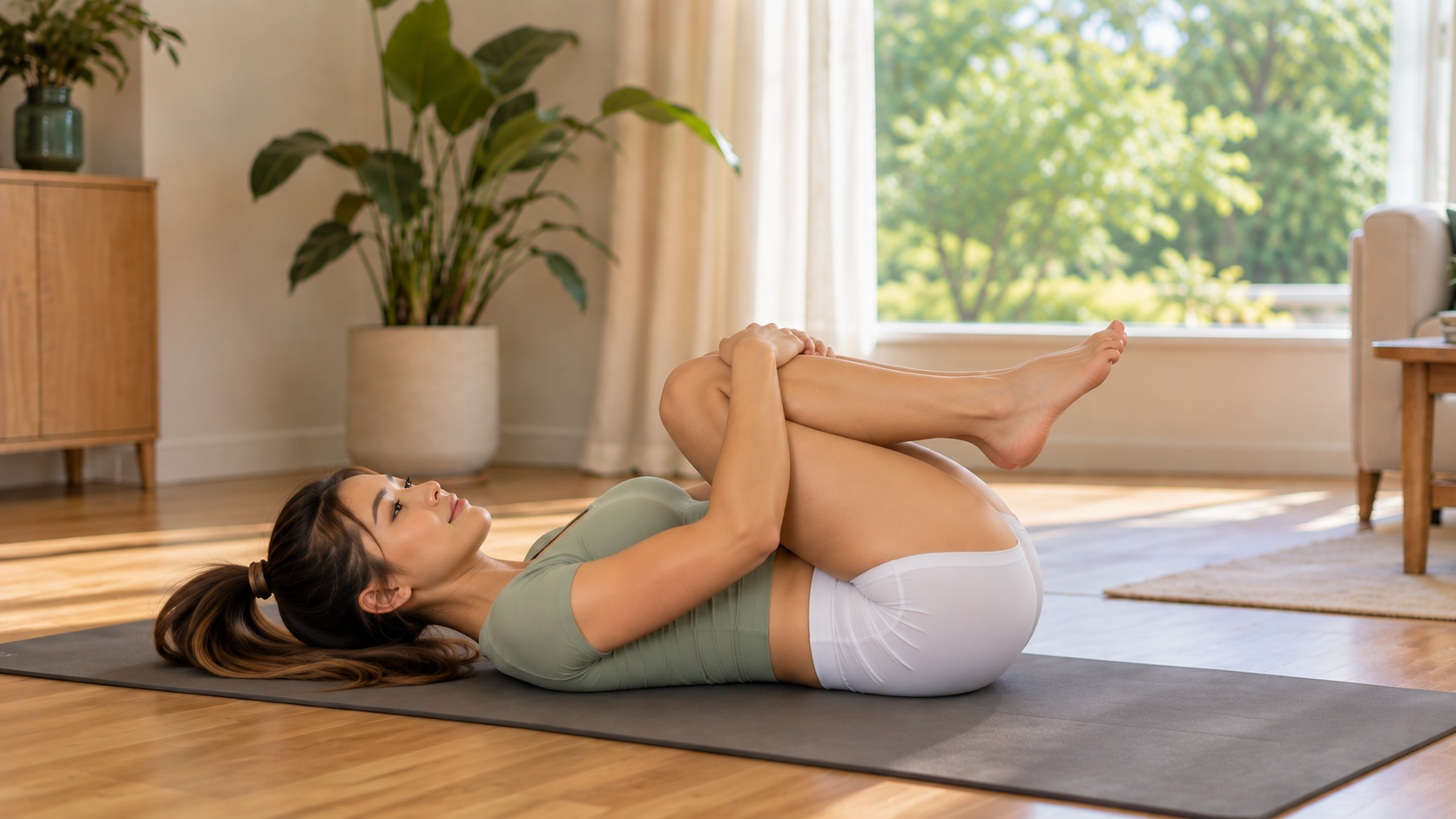
Five minutes for stiff hips
A short daily sequence for the tightness that comes from sitting most of the day, not from anything wrong with you.
Movement you will actually repeat beats the perfect programme you abandon in week two. Short, specific, no equipment.
Stretching and mobility
A short daily sequence for the tightness that comes from sitting most of the day, not from anything wrong with you.
Stretching and mobility
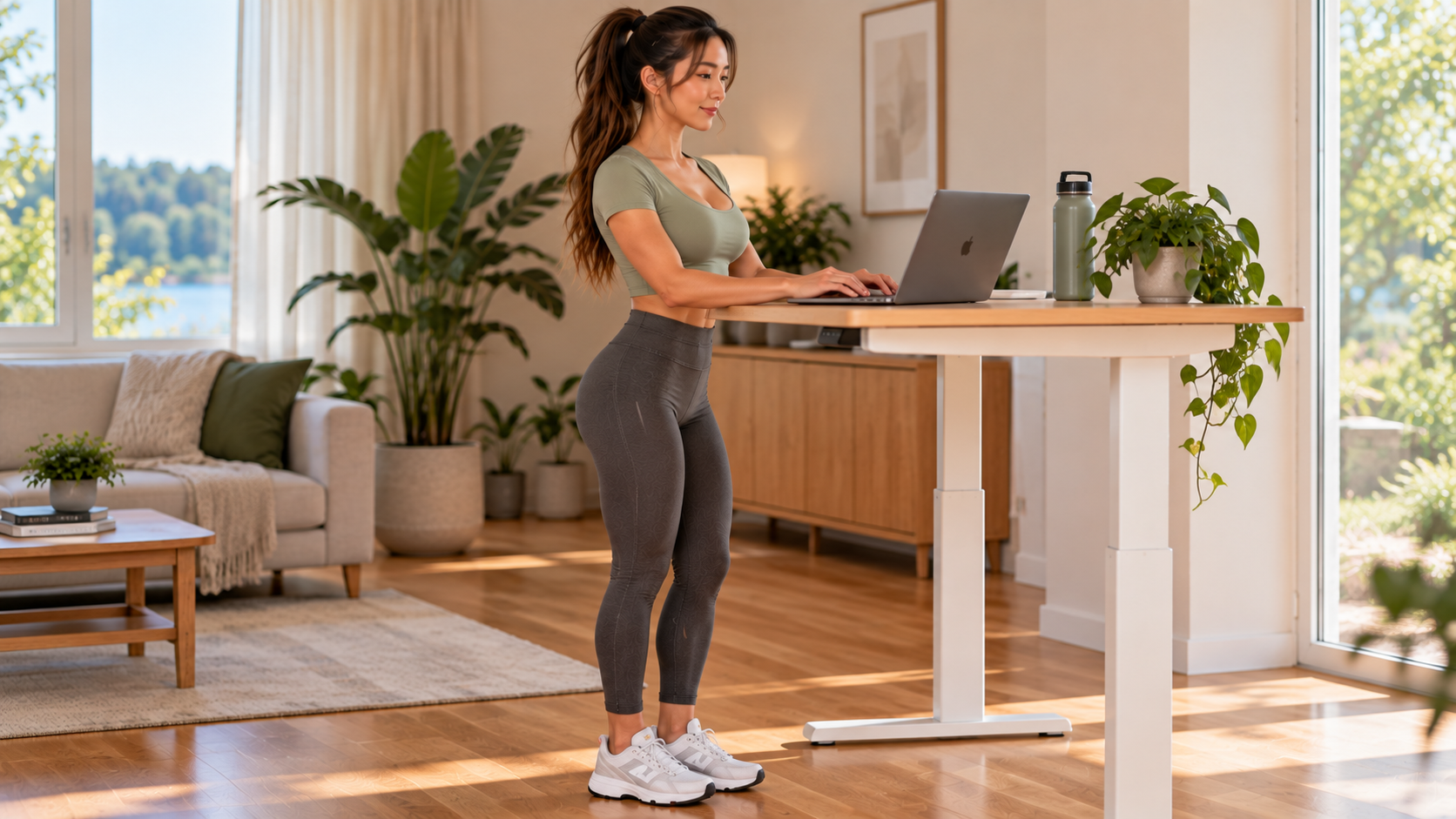
A short routine for the tightness that builds up from hours of screen work, aimed at the actual cause rather than just the sore spot.
Stretching and mobility
For the dull, tired tightness that builds up from sitting — not for sharp or radiating pain, which is a different problem with a different answer.
Stretching and mobility
Restricted ankle mobility quietly reroutes stress up into the knee and hip, and shows up decades later as fall risk. It's also one of the easiest joints to improve.
Stretching and mobility
Don't static stretch before working out became fitness gospel. The actual evidence says it depends on how long you hold it, not whether you do it at all.
Everyday movement
No special pace, no step count required — just more of the movement you already do, spread through the day instead of saved for the gym.
Everyday movement
They fix less than they're sold as fixing, and the thing that actually helps is easy to do without buying anything.
Everyday movement
The injury risk isn't in running itself — it's in doing too much too soon. A slower start than feels necessary is the whole strategy.
Strength
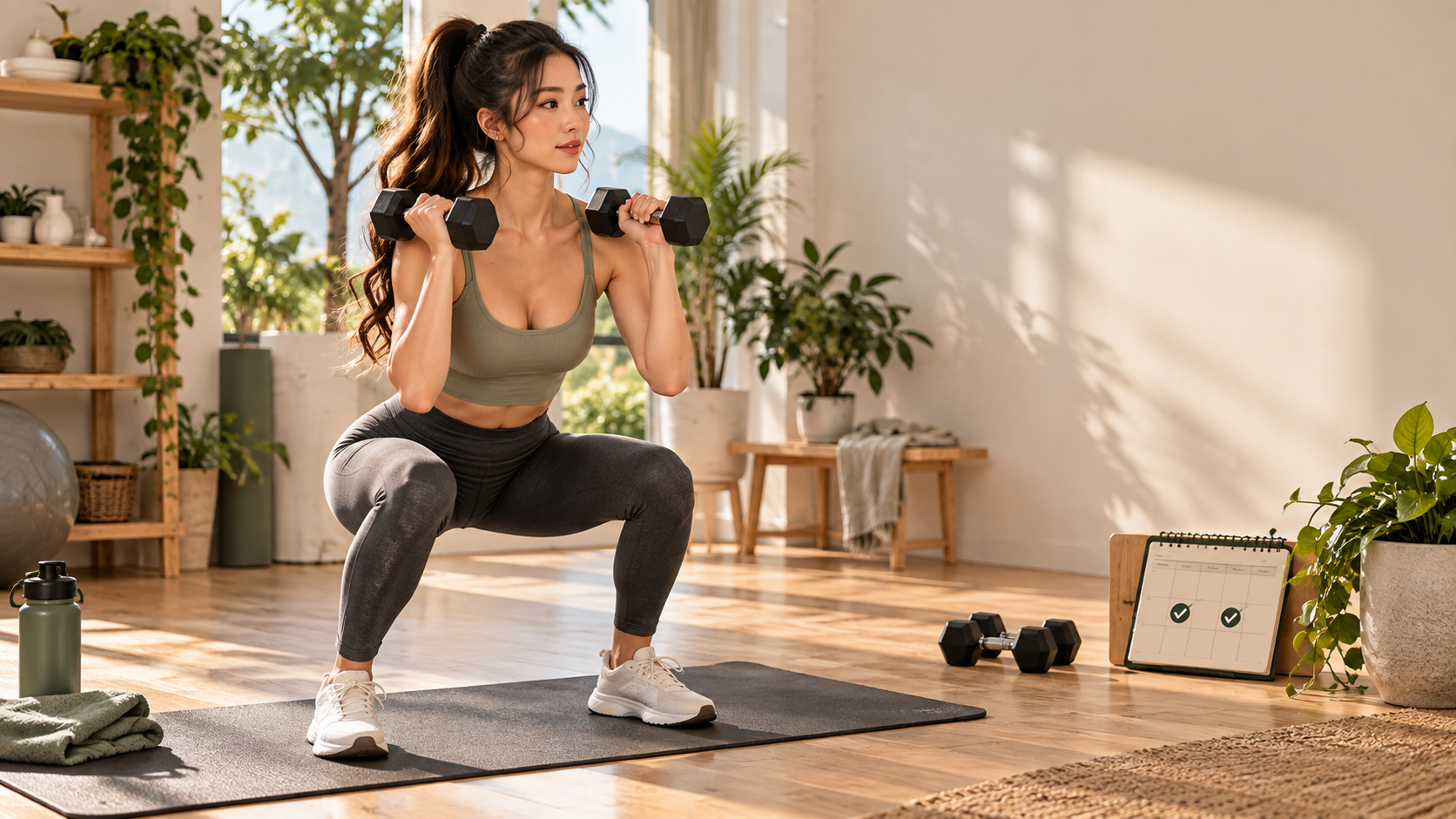
You do not need a programme, a gym, or an hour. Five movements and twenty minutes, twice a week, covers most of what matters early on.
Strength
The adaptation you're training for happens during recovery, not during the workout — skipping rest doesn't add progress, it removes it.
Strength
One of the most consistent findings in aging research — but the fix isn't a stress ball. It's a marker of total-body strength, not something to train in isolation.
Cardio
It's popular, accessible, and genuinely good for beginners. The specific claim that it's uniquely optimal for mitochondrial health doesn't hold up against the actual evidence.
Recovery
The idea that lactic acid causes next-day muscle soreness was scientifically discredited in the 1980s. What actually causes it is still being worked out, but the timing alone rules lactic acid out.
Recovery
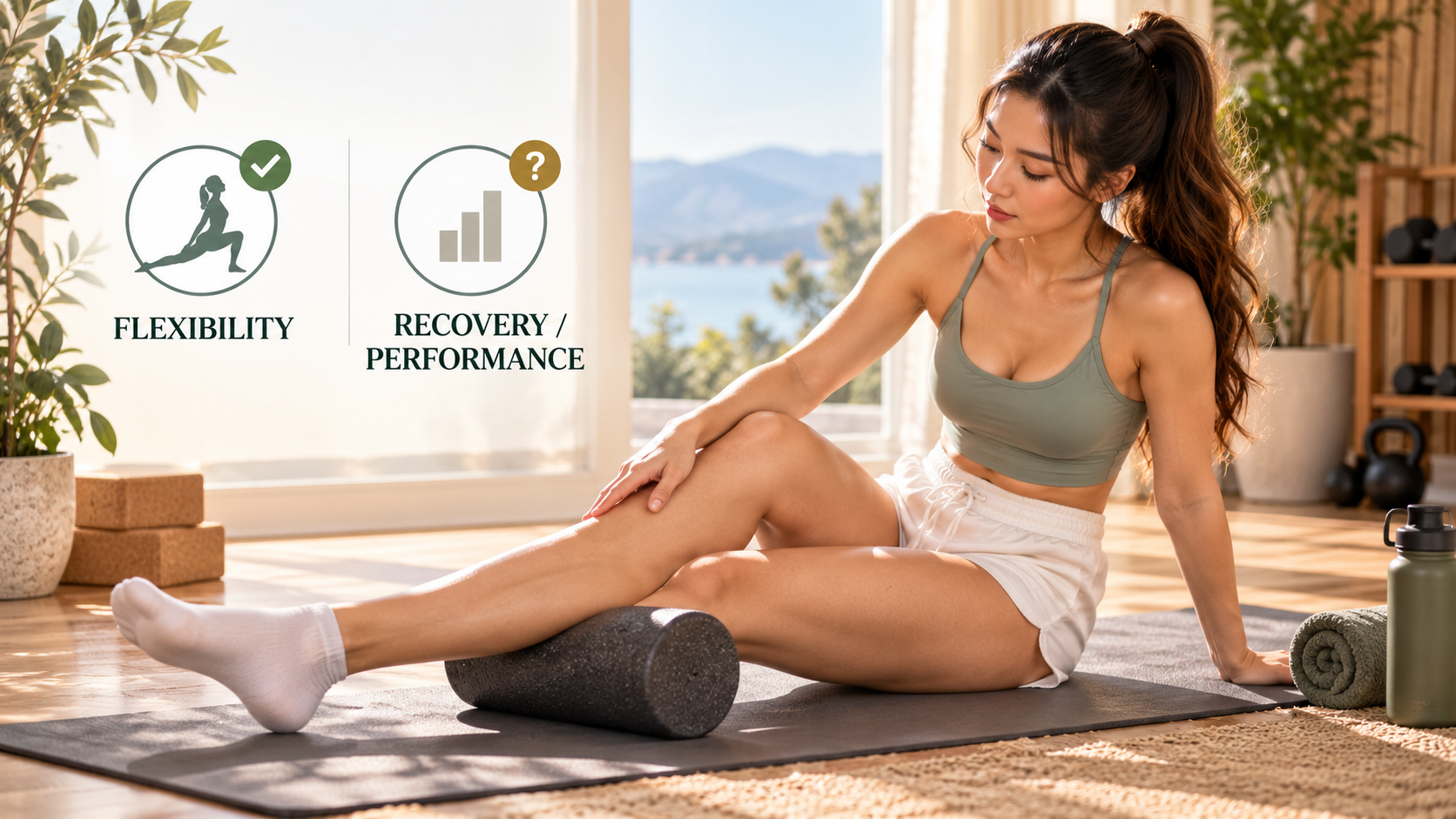
The evidence for flexibility is genuinely good. The evidence for it as a recovery or performance tool is much thinner than the foam roller aisle suggests.