The static stretching before exercise rule is more nuanced than "never"
Don't static stretch before working out became fitness gospel. The actual evidence says it depends on how long you hold it, not whether you do it at all.

One mindvestment
If you static stretch before training, keep each hold under 60 seconds and pair it with a dynamic, movement-based warm-up rather than using it alone
- Costs
- 10 min a day
- Effort
- Low
- Gives you
- The flexibility benefits of static stretching without the performance cost people are taught to fear
- Felt after
- Immediate — this changes how you structure a warm-up, not a habit that builds over weeks
If you like to static stretch before training, keep each hold under 60 seconds — ideally closer to 30 — and do it as part of a fuller warm-up that includes some movement, rather than as a stretch-only routine done cold. The blanket advice to avoid static stretching before exercise entirely turns out to be an overcorrection.
Why this works
The “never static stretch before a workout” rule has a real origin: a substantial body of research from the 1990s onward found that static stretching held for long durations acutely reduces muscle strength and power output afterward, and this got simplified, understandably, into a blanket warning. What got lost in the simplification is that the effect is strongly dose-dependent.
A detailed review of the stretch-induced force deficit found that short-duration static stretching — under about 60 seconds per muscle group, and especially closer to 30 — produces only a trivial reduction in subsequent strength and power, roughly 1–2%, a difference unlikely to matter for anyone outside competitive-level performance. Long-duration stretching, over 60 seconds per muscle, is where the meaningful decline shows up, in the range of 4–7.5%. A more recent meta-analysis specifically challenged the categorical avoidance of static stretching in warm-ups altogether, finding no harmful effect on jumping, sprinting, or throwing performance when static stretching was included as one part of a broader warm-up rather than done in isolation.
Dynamic, movement-based stretching still has the stronger overall evidence for a pre-exercise warm-up — it raises muscle temperature, activates the nervous system, and multiple meta-analyses link it to both better performance and meaningfully lower injury rates. The honest, current picture isn’t “static stretching is bad” versus “dynamic stretching is good” — it’s that dynamic movement should be the backbone of a warm-up, and short static stretches can reasonably be added on top without the performance penalty older advice implied.
How to do it
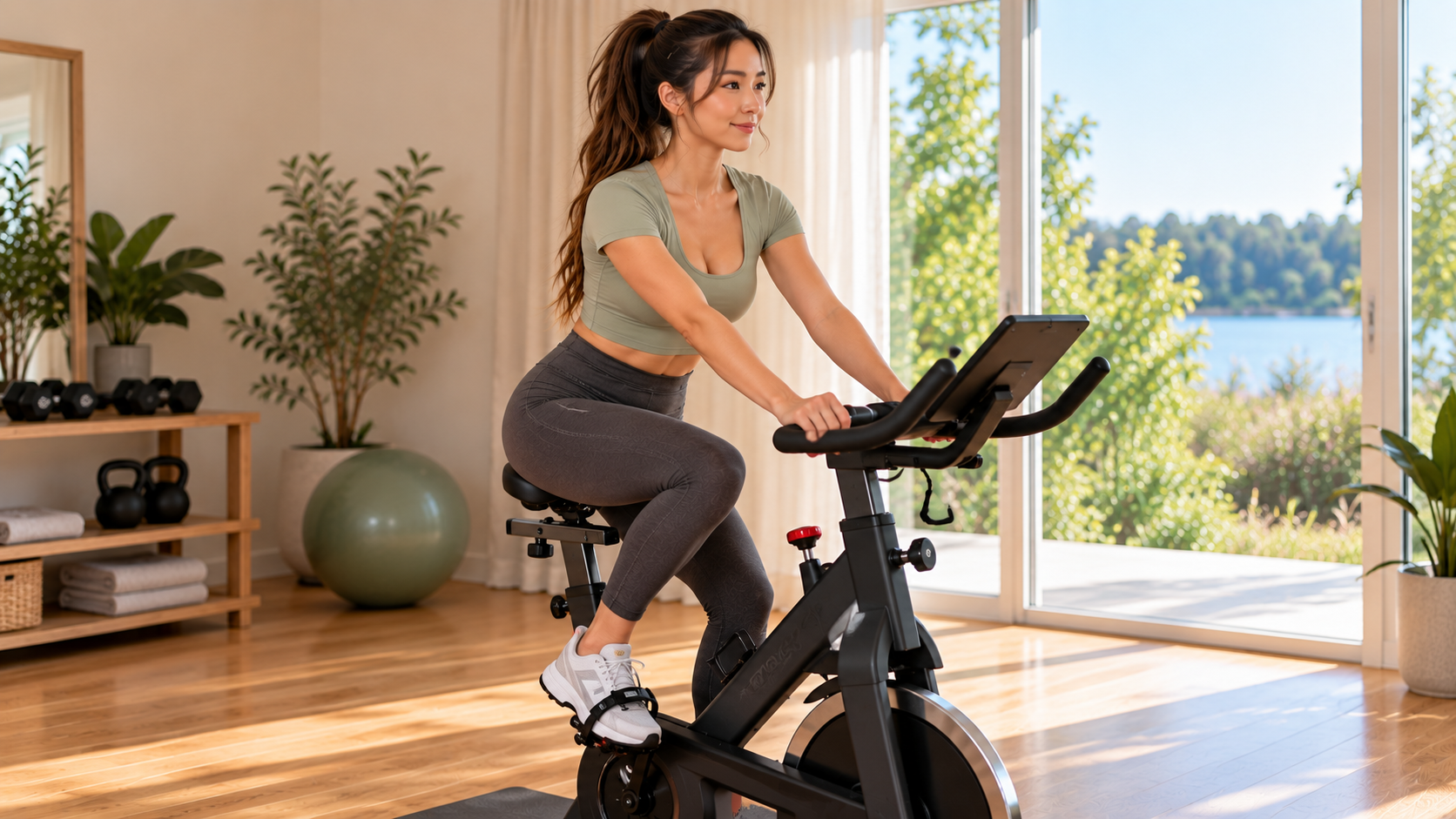
- Build your warm-up around movement first — light aerobic activity (a few minutes of jogging or cycling) and dynamic stretches (leg swings, walking lunges, arm circles) rather than starting cold with static holds.
- If you want to include static stretching, keep it short: 15–30 seconds per muscle group is a reasonable target, and stop well before 60 seconds.
- Save longer static stretching — the kind genuinely useful for improving flexibility over time — for after training, or as its own separate session, when the acute strength cost doesn’t matter.

- For anyone training at a competitive or high-performance level where even a 1–2% difference matters, it’s still reasonable to minimise static stretching immediately before a maximal effort and rely on dynamic movement alone.
- For general recreational training, don’t feel obligated to cut static stretching from your warm-up if it’s part of your routine and feels good — the evidence doesn’t support avoiding it altogether the way it’s often presented.
Common mistakes
- Treating “under a minute” as the same as “any amount is fine.” The dose-response relationship is real — long holds genuinely do impair subsequent performance more.
- Skipping movement-based warm-up entirely in favour of only stretching. Dynamic activity has the stronger evidence for both performance and injury reduction; static stretching is a reasonable addition, not a substitute.
- Avoiding static stretching altogether because of outdated blanket advice. For most people at most training intensities, short static stretches integrated into a full warm-up aren’t the performance risk they’re made out to be.
- Applying elite-athlete caution to recreational training. The specific concern about even small performance decrements matters most for competitive-level output, not a casual gym session or recreational run.
- Using this as justification for long, cold static stretching right before a maximal lift or sprint. That’s still the one scenario where the evidence supports caution.
What should change
This changes how you structure a warm-up, not something that builds over time — expect no meaningful performance cost from short static stretches included in a proper dynamic warm-up, immediately, in your very next session.
Your next step
If soreness rather than performance is your main concern around stretching, the article on muscle soreness explains what static and dynamic stretching can and can’t do for that separate issue.
Sources (3)
- Revisiting the stretch-induced force deficit, systematic review with multilevel meta-analysis Journal of Sport and Health Science 2024
- Acute effects of static stretching on muscle strength and power, an attempt to clarify previous caveats Frontiers in Physiology 2019
- Dynamic warm-ups play a pivotal role in athletic performance and injury prevention Current Sports Medicine Reports 2024